Elefantentreffen (Elephant Rally) 2026 (Ended)
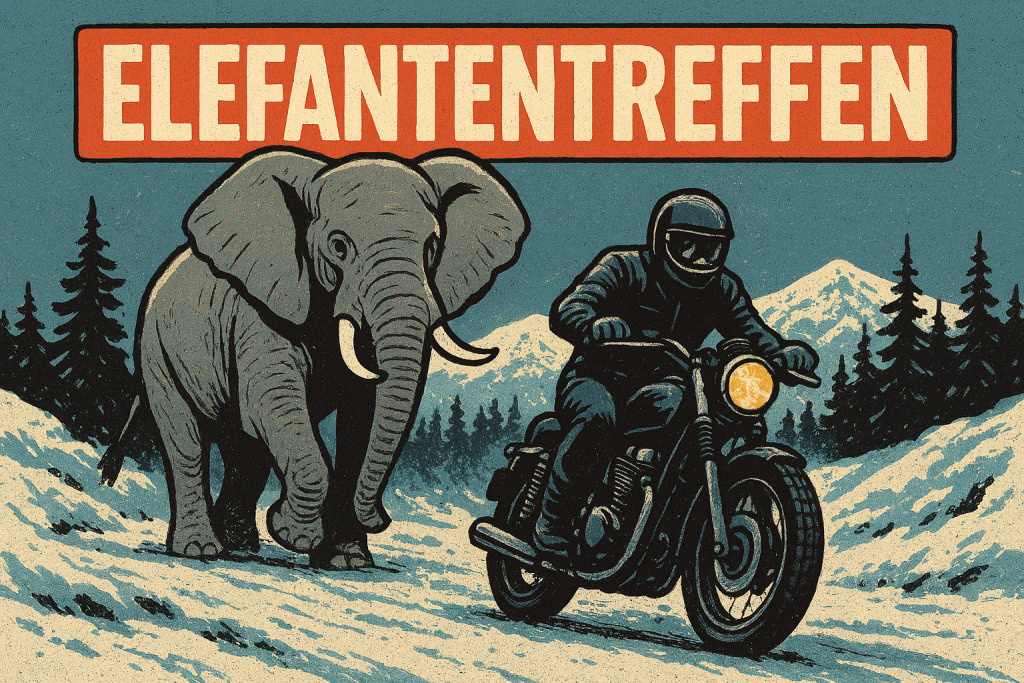
| Event starts: | 2026-02-01 11:00:00 |
|---|---|
| Event ends: | 2026-02-01 11:00:00 |
| Participants: | 0 bikers |
| Map: | 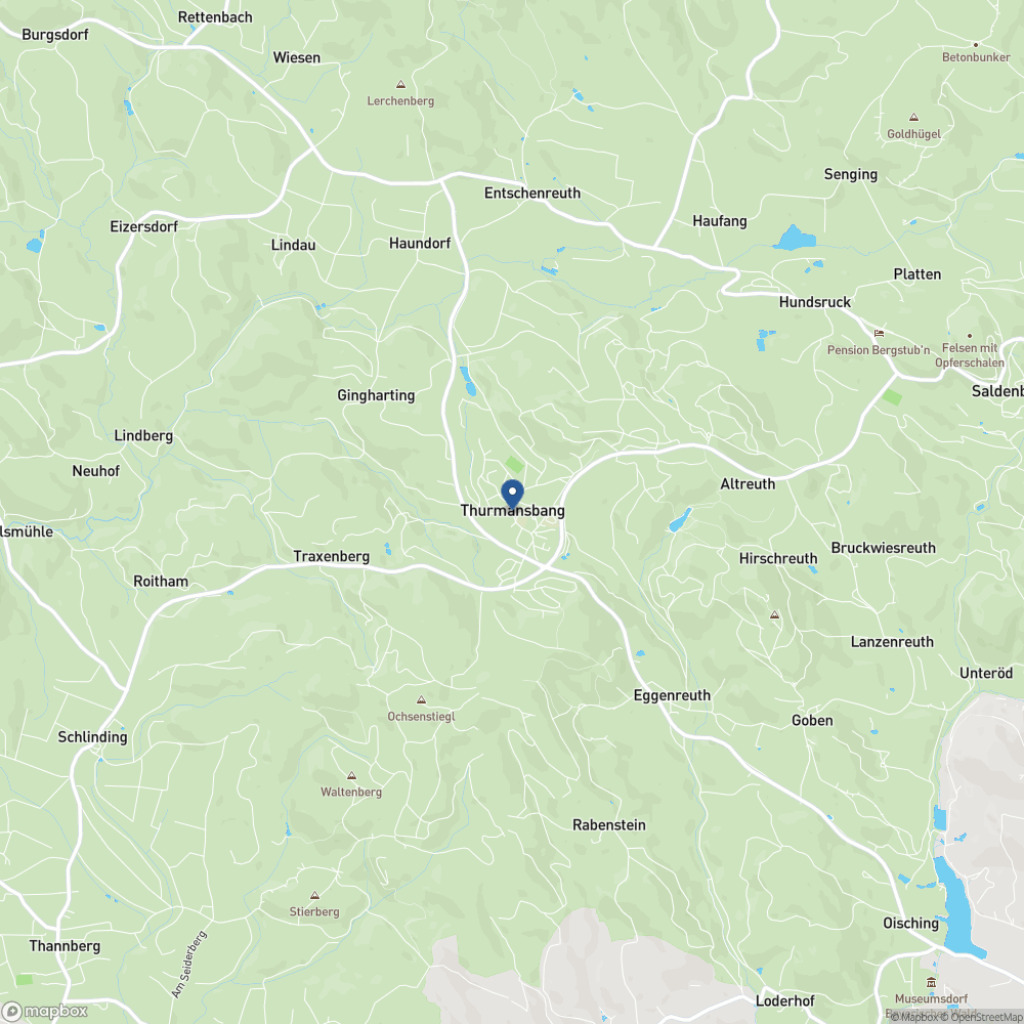 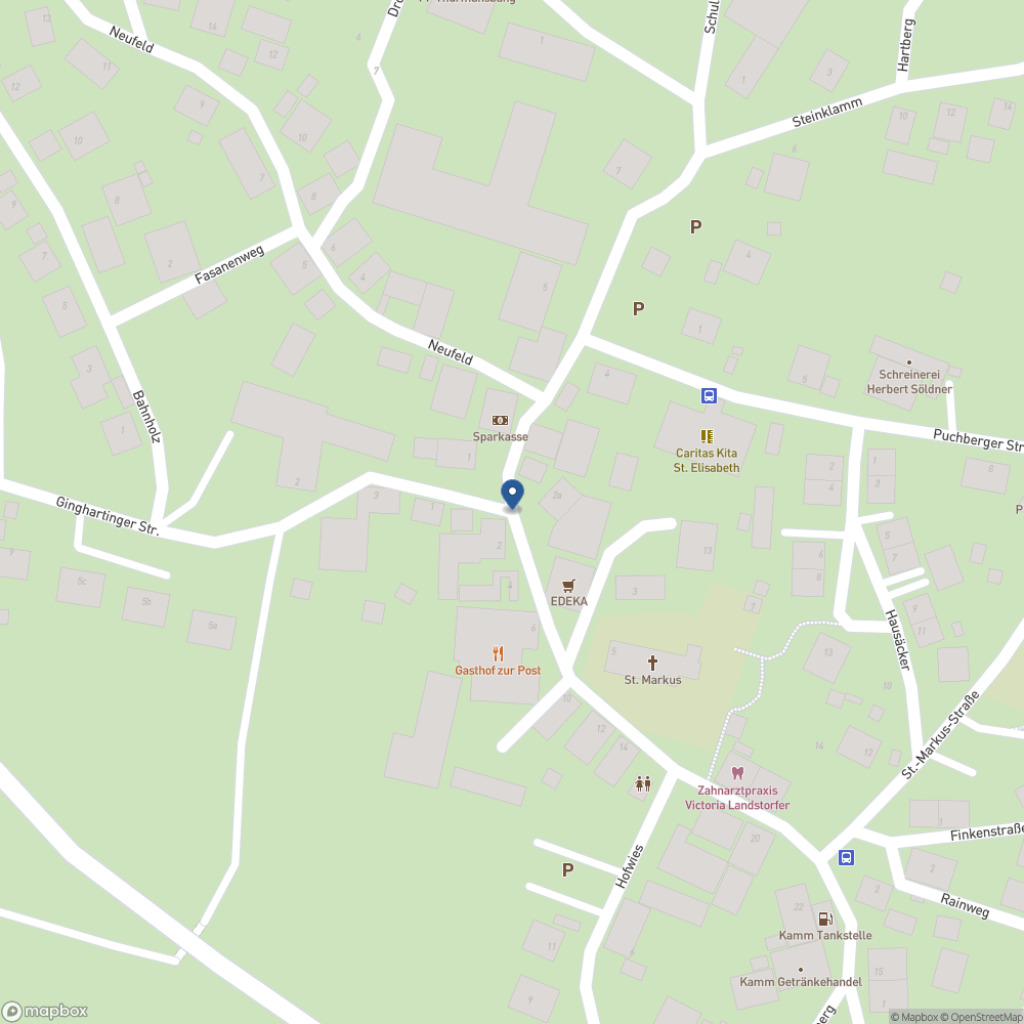 |
| Open in navigation | Google Maps Waze |
The Elefantentreffen takes place annually deep in the Bavarian Forest in Germany during the deepest part of winter. It attracts between 3,000 and 5,000 hardy souls from across Europe who ride their motorcycles through snow, ice, and freezing temperatures to camp in a snowy valley for a weekend.
The History & The Name
It started in 1956. It was originally a meeting for owners of the Zündapp KS 601. This heavy, green, durable German motorcycle and sidecar combination was nicknamed the "Green Elephant." Hence, the "Elephant Rally."
While Zündapps are rare today, the spirit remains: durability, reliability, and a refusal to let winter stop you from riding.
AT A GLANCE: The Essentials for 2026
Dates: January 30 – February 1, 2026 (Friday to Sunday). Note: It is happening very soon.
Location: Thurmansbang, Germany (specifically the village of Loh in the Bavarian Forest).
The Venue: Known as the Hexenkessel ("Witch's Cauldron"). It is a steep-sided valley bowl that traps cold air and campfire smoke.
Organizer: BVDM (Federal Association of Motorcyclists in Germany).
Entry Fee: Approx €40 (bought at the gate). Crucially, members of the BVDM or FEMA (Federation of European Motorcyclists' Associations) often get a discount.
The Vibe: Survivalist camaraderie. It is grim, freezing, and difficult, which creates an instant bond between everyone there. There is zero pretense; nobody cares how expensive your bike is. They only care that you made it.
The Experience: What Happens There?
Unlike summer rallies, there is almost zero organized entertainment.
No Bands: There is no music stage. The soundtrack is thousands of thumping engines, crackling campfires, and people laughing in various languages.
No Shows: There are no organized stunt shows or custom competitions.
So, what do you do? You survive. You spend the weekend keeping your fire going, cooking food over open flames, drinking vast amounts of hot tea (often fortified with rum), and walking around the massive campsite looking at the incredible ingenuity of winter engineering. You talk to people you’ve never met and share war stories about the ride in.
The Torchlight Parade: The one organized event is the traditional torchlight procession on Saturday evening to remember bikers who have died on the roads. It is a somber, beautiful sight as thousands of lights snake through the snowy valley.
The Machines of the Elephant
You will see bikes here that you won't see anywhere else. Polished chrome does not exist here; it is replaced by grease, duct tape, and anti-corrosion spray.
Sidecars are Kings: Three wheels are much safer than two on snow and ice. You will see everything from brand new Ural sidecars to ancient BMWs and Jawas held together by hope.
The Winter Hacks: Many riders have a dedicated cheap bike for winter so they don't ruin their main machine with road salt. Expect to see old Honda Cubs, beat-up BMW GSs, and ancient two-strokes.
Ingenuity: Look for DIY modifications: homemade handlebar muffs made from old carpet, car tires fitted to motorcycle wheels for traction, and sometimes even small skis fitted to the sides of the front wheel to prevent washing out in deep snow.
Survival Guide: Logistics and Gear
This is the most important section. Do not attempt this rally without serious preparation. People get hypothermia here.
1. The Ride In (Legal Requirements)
Germany has strict laws regarding winter tires. If conditions are wintry (snow, slush, ice), you must have tires marked with the M+S (Mud and Snow) symbol or the 3PMSF (Three-Peak Mountain Snowflake) symbol. If you crash on summer tires in winter, insurance may not cover you, and police will fine you.
2. The Campsite Surface
The "Witch's Cauldron" is a valley field.
If it's below freezing: The ground is hard, frozen earth and snow.
If it thaws (even slightly): The thousands of bikes turn the valley into a knee-deep mud bath that is incredibly difficult to move through.
3. Keeping Warm (Sleeping)
You are sleeping on frozen ground.
Straw is Life: The organizers provide massive bales of straw. You must grab huge armfuls of this immediately upon arrival. You build a thick mattress of straw on the snow before pitching your tent on top of it. Without straw insulation from below, the cold ground will suck the heat right out of you, regardless of how good your sleeping bag is.
Sleeping Bag: You need a genuine 4-season or arctic-rated sleeping bag.
4. Fire and Wood
You cannot survive the weekend without a fire.
Buying Wood: The organizers sell firewood on site. You have to haul it back to your tent (another reason sidecars are popular—they can carry wood).
Constant Tending: You will spend most of your time tending the fire to melt snow for water, cook food, and keep warm.
5 Insider Tips for First-Timers
Arrive as early as possible: The best camping spots (flat areas near the paths, but not too close to the noisy entrance) go on Friday morning. Also, the straw supply sometimes runs low if you arrive late Saturday.
Don't park at the bottom of the bowl: The valley is steep. If it snows heavily or thaws into mud over the weekend, getting a heavy solo motorcycle up the hill out of the bowl on Sunday morning can be nearly impossible. Park higher up near the exit roads.
Handlebar Muffs are mandatory: Heated grips are not enough at -10°C at 100km/h. You need giant ugly muffs over your handlebars to block the wind chill.
Bring a shovel: A small folding military shovel is vital for clearing a space for your tent in the snow and digging a fire pit.
Visor management: Your helmet visor will ice up instantly. Many riders use heated visors (like snowmobilers) or ride with motocross goggles that don't fog as easily.